
Grief in the Age of AI: When Your Sense of Self Feels Unstable
As AI rapidly reshapes work, creativity, and identity, many people are experiencing more anxiety and grief about the future. Grief for certainty, stability, purpose, and the version of themselves who believed hard work alone could guarantee safety or meaning. This piece explores how AI-driven uncertainty is impacting high-achieving, neurodivergent, creative, and marginalized adults, and why your worth has always been bigger than productivity alone.

Relationships and Neurodivergence: When Communication Styles Differ
Navigating relationships as a neurodivergent adult can be challenging when communication styles differ. Learn strategies to improve understanding, connection, and emotional safety in partnerships.
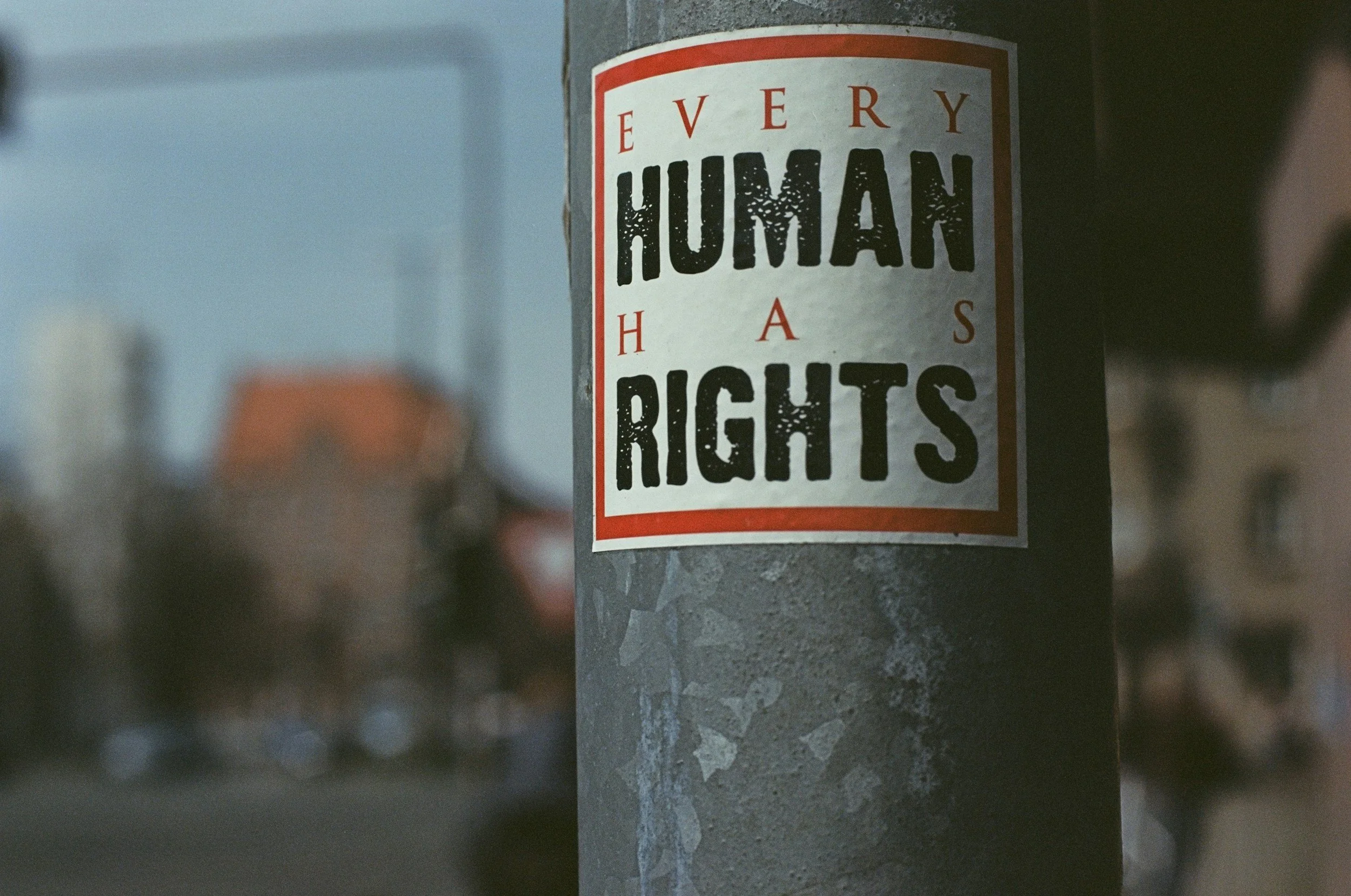
Healthy Relationship Bill of Rights
Learn the core rights every person deserves in a healthy relationship, including emotional safety, boundaries, accountability, and mutual respect. A guide for building secure and equitable partnerships.

Limerence and Autism: How Intense Emotional Attachments Affect Autistic Adults
Limerence — the emotionally intense, often obsessive experience of longing or fixation on another person — can be especially complex for autistic individuals. This experience is often misunderstood or mislabeled as unhealthy when, in reality, it reflects a deeper intersection between neurodivergence, emotional regulation, and attachment.

Seasonal Transitions: Fall
As the air cools and the leaves begin to change, many people feel a shift — not just in the weather, but in their emotional and mental landscape. The return to school, shorter daylight hours, and the disruption of summer routines can bring a noticeable increase in stress, anxiety, and emotional fatigue. For neurodivergent and LGBTQ+ individuals and couples, these transitions can feel especially overwhelming.

Ready to start therapy?
Click below to schedule your intake session!
Or, check out the FAQ page if you have any questions.